
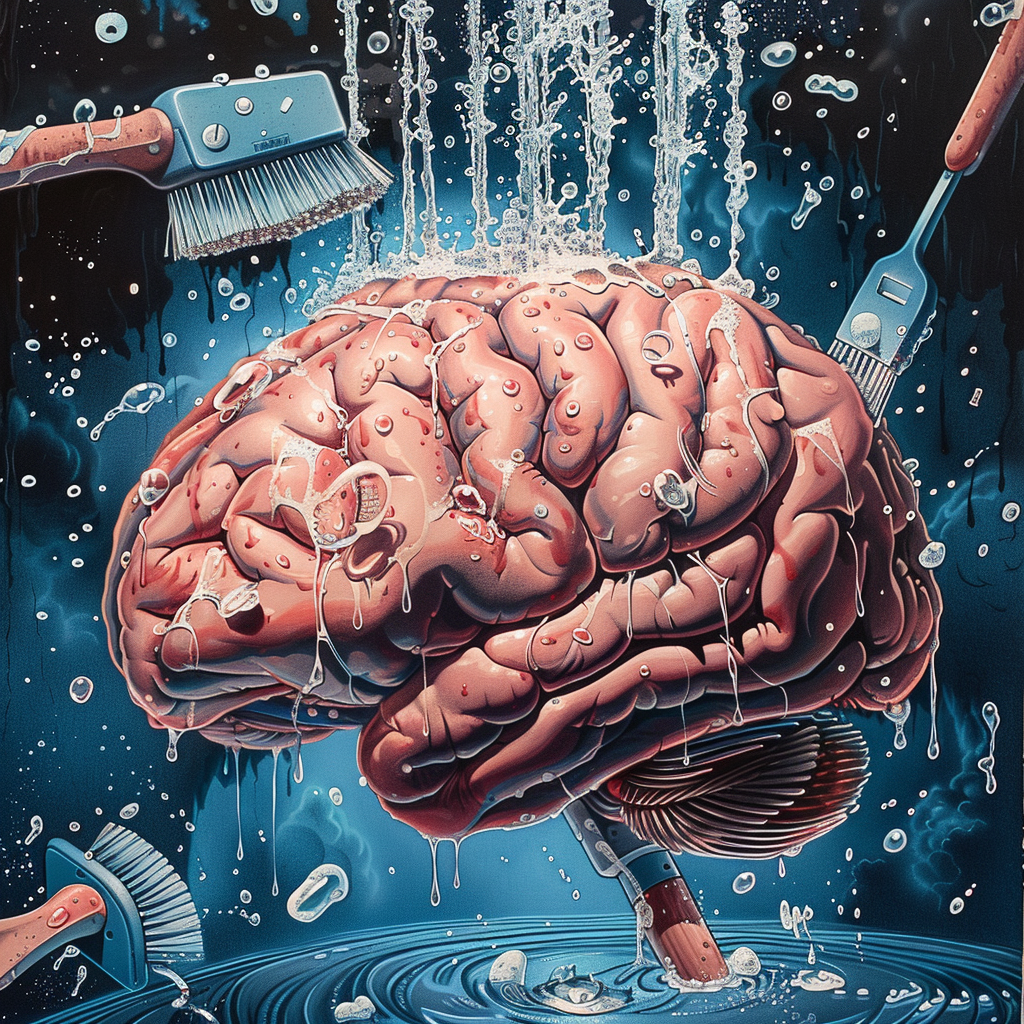
As we approach our 40s, many of us might feel a twinge of anxiety about entering “middle age.” But what if I told you that this phase of life offers a unique chance to safeguard your cognitive future?
Recent research reveals that midlife is a crucial period for brain health, presenting an opportunity to make impactful changes that can keep your mind sharp well into your golden years.
The Midlife Brain: Changes and Challenges During our 40s and 50s, our brains undergo significant changes. These include the shrinkage of certain regions, loss of connectivity, and increased inflammation. While this might sound alarming, understanding these changes allows us to take proactive steps to counteract them. The Power of Lifestyle Choices Here’s the positive news: Your lifestyle choices can make a tremendous difference. Research reveals a close connection between our brain health and our overall physical health. This means that the habits we form in midlife can have long-lasting effects on our cognitive abilities.
Key Steps for a Healthier Brain:
1. Watch Your Weight: Maintaining a healthy BMI becomes even more crucial in midlife.
2. Monitor Alcohol Intake: Reducing alcohol consumption can significantly impact your brain health.
3. Stay socially active: Engaging with others provides vital cognitive stimulation.
4. Keep Moving: Regular, moderate exercise is a powerful tool for preserving brain function.
5. Address Hearing Loss: Don’t neglect your hearing health; it’s more important than you might think.
The midlife advantage What makes midlife so special?
It’s a time when our actions can have a more significant impact on our future cognitive health. It’s easier to prevent decline than to reverse it, making these years a golden opportunity for intervention. A Reason for Optimism Despite common perceptions, there’s cause for hope. The relative proportion of people developing dementia is actually decreasing, thanks to better education, reduced smoking rates, and improved blood pressure control. In fact, the risk of developing dementia is declining by 13% each decade!
Mindset Matters Interestingly, your attitude towards aging can also play a role. A positive outlook on midlife and aging is associated with better health outcomes. So, instead of dreading your 40s and 50s, try viewing them as a time of opportunity and growth. Embrace your midlife potential. While it’s true that our brains face challenges as we age, midlife offers a unique window to control our cognitive destiny.
By making informed lifestyle choices now, we can set the stage for a sharper, healthier mind in the years to come. So let’s embrace this phase of life, not as a decline but as a chance to invest in our future selves. After all, it’s never too late to make a difference in your brain health journey.
For more detailed information on this fascinating research, be sure to check out David Robson’s full article in New Scientist magazine.
